Why Smart Publisher Needed Privacy and a Stable Technical Identity Before Google Play
Before Smart Publisher entered Google Play testing, we aligned its privacy page, permanent Android identity, and product history with what the app actually does.
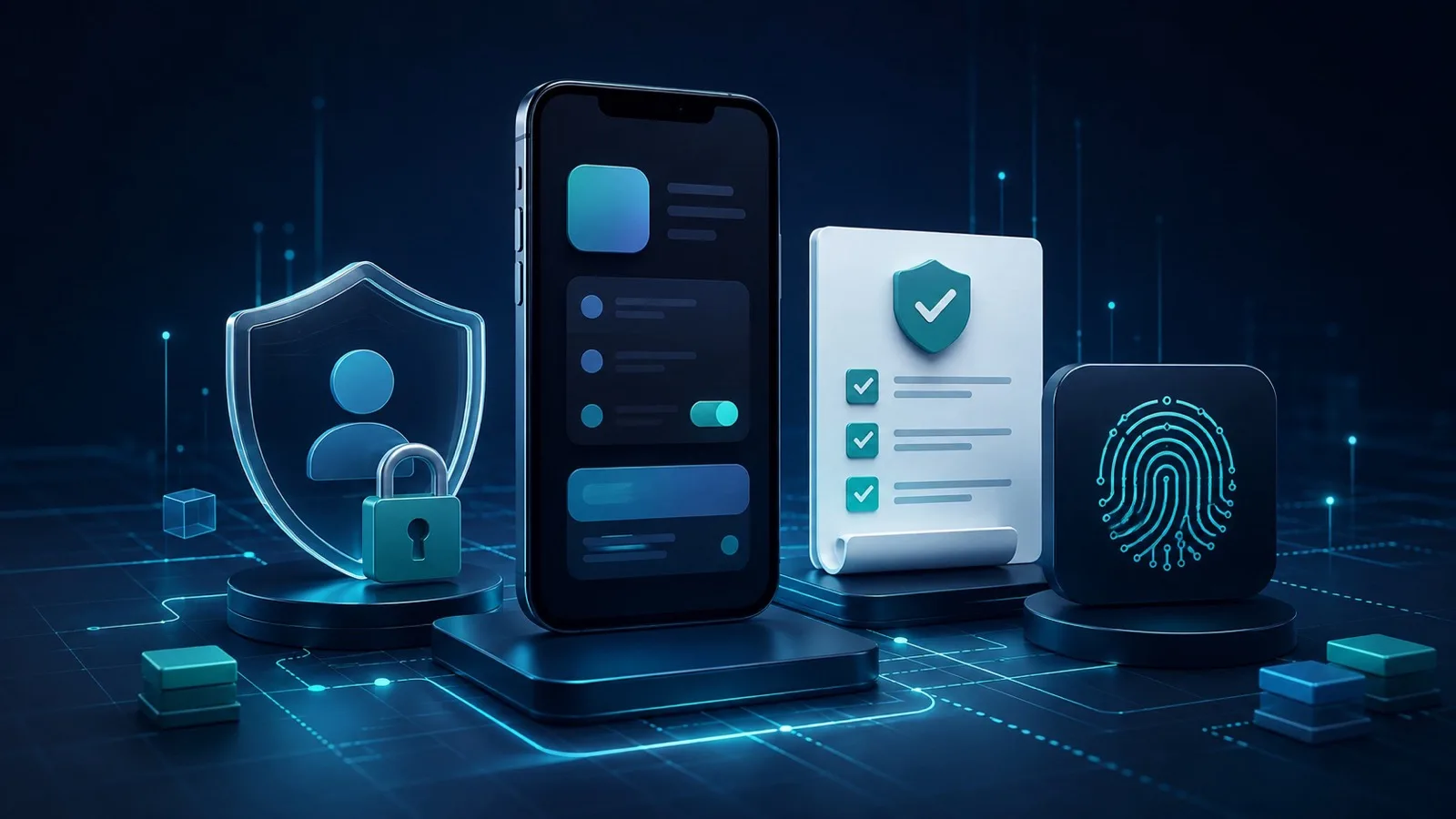
Before an app reaches Google Play, two details that look administrative can quietly become permanent: what the product promises about privacy and the technical identity under which future updates will arrive. For Smart Publisher, we treated both as product work—not paperwork.
What Smart Publisher for Android actually does
Smart Publisher helps a person prepare an Instagram post: the media, caption, hashtags, and intended publishing time. At that time, the app sends a reminder and hands the prepared content to Instagram. The final Share action remains with the user. The Android app does not publish to Instagram on the user’s behalf.
That boundary matters because a privacy statement must describe the product that exists, not the product a team may build later. Before the app entered Google Play testing, we created a dedicated privacy page for Smart Publisher instead of reusing a general policy written for other TekeraLab products.
Why a product-specific privacy page matters
A shared privacy document cannot accurately explain every product’s permissions, storage, and connected services. A person considering Smart Publisher should be able to read the policy for Smart Publisher—without guessing which paragraphs apply to another service.
We therefore checked the wording against the current Android build, including local history storage, Android platform capabilities, subscription information, and the permissions the app requests. The goal was simple: the public explanation should promise neither more nor less than the software delivers.
The same meaning also had to survive localization. The English, Turkish, Persian, and Arabic pages were reviewed as four views of one policy, not four independent documents. A correction in one language is incomplete if another language still tells a different story.
Read the current Smart Publisher privacy policy.
Why the Android identity had to become permanent
An Android package identifier is not merely an internal label. Google Play and future updates use it to recognize the product. Changing it after release can effectively create a different app instead of continuing the same one.
Smart Publisher still carried a name inherited from its prototype stage. We replaced that temporary identity before the first store release—while no users, reviews, or update history depended on it. The public product name, the store identity, and the technical identity can now develop as one consistent product.
The store side had its own list: testers, a closed-test release and Google Play review. We wrote it down in the steps Smart Publisher had to finish before Google Play closed testing.
Why we separated the product history too
Privacy wording and release notes depend on reliable evidence. If Smart Publisher decisions are mixed into the history of unrelated projects, it becomes harder to answer basic questions later: Which permission changed? Why was a policy sentence updated? Which build introduced a behavior?
We gave Smart Publisher its own change history so future privacy reviews, store notes, and product decisions can be traced back to the product itself. This does not guarantee trust. It creates the conditions for trust to be earned and checked.
What this changes for the user
Before installing, a user can see which product they are dealing with and read its dedicated policy. A stable technical identity means later releases can continue as updates to the same app. A separate product history helps the team keep public claims aligned with the software as it changes.
The lesson is broader than one app: privacy, identity, and release history should be prepared before distribution makes them costly to change. For Smart Publisher, that work was completed before the Google Play journey moved forward.

Ask a question
Got a question about this post? Drop your email and we’ll reply.
Get notified of new posts
1–2 emails a month on social media, AI and running a small business. No spam.
Related posts
Smart Publisher Schedules Now Survive Phone Restarts and App Updates
Testing the real Google Play bundle exposed a reliability issue: pending schedules could disappear after a restart or update. The fix is implemented and verified.
Smart Publisher Android Begins Its 14-Day Google Play Closed Test
Twelve testers are now opted in to Smart Publisher Android’s closed test. The required 14-day Google Play testing period is underway.

From Final Bundle to Google Play Closed Testing: How Smart Employee Android Prepared for Release
A successful build was not the finish line. Testing the real release bundle exposed two hidden reliability issues before Smart Employee Android entered Google Play closed testing.