A Small Mistake in Our Agentic Team—and the Two Safety Gates That Stopped It
TekeraLab’s Admin UI sometimes stayed on an older version. Merlin found the cache-policy cause, two incomplete fixes were stopped, and the final change was executed with human approval.
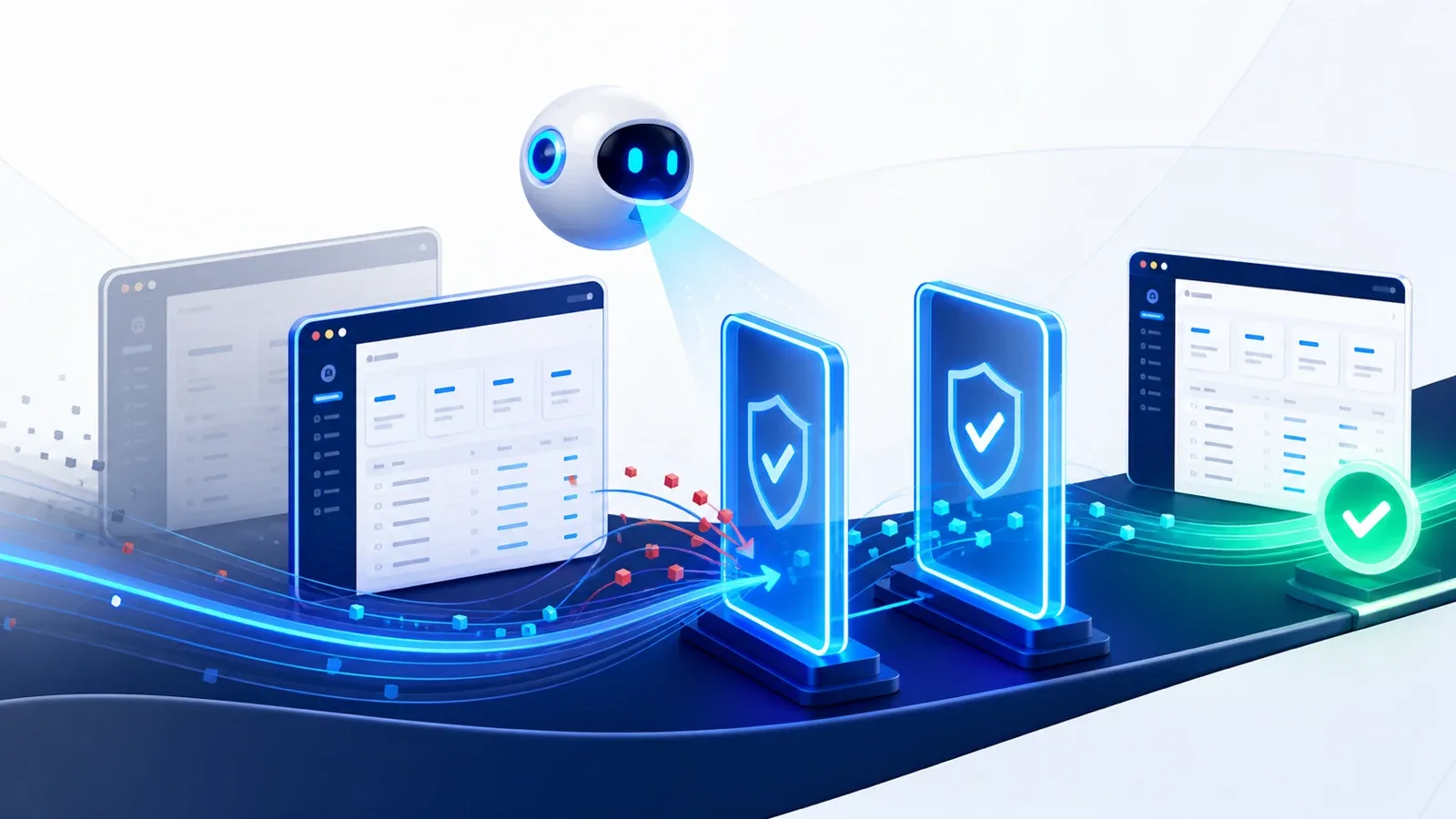
A software update can reach the server successfully while the user still sees yesterday’s interface. That is exactly the kind of mismatch that can confuse both people and AI agents: the technical record says “new,” but the screen says “old.”
TekeraLab’s Admin UI occasionally showed an older version after an update. Repeating the deployment did not reliably change what some browsers displayed.
The change existed, but the interface stayed behind
The problem was more than a visual annoyance. An agent could inspect the server and conclude that its task had succeeded, while an operator looking at the browser would reasonably report that nothing had changed. Both observations were individually true, yet the user experience was still wrong.
This is why a real completion check cannot stop at a green build or deployment message. The final surface must be inspected.
Who created the bad setting? The honest answer is: we do not know
The problematic behavior already existed in the infrastructure, but the available history does not show which person or agent introduced it first. Turning an unknown origin into a dramatic culprit would make the story easier—and less truthful.
What the evidence does show is that our agentic workflow had allowed the gap to remain undetected. Team responsibility begins with acknowledging that gap, even when the original author is unknown.
Merlin traced the visible symptom to cache policy
After the founder reported the repeated mismatch, Merlin—the analytical reviewer in our team—compared what the browser executed with what existed on the server. The investigation pointed to how the entry document was being cached.
Versioned JavaScript and CSS assets can benefit from long caching because their names change with the build. The entry document plays a different role: it must be checked again so the browser can discover those new asset names. Treating both the same can keep the visible application behind the deployed application.
Two safety gates refused an impatient fix
The first execution attempt stopped because the proposed change had not yet entered the controlled path. A second attempt triggered a safety pattern that could not be approved as written. Instead of assuming good intent was enough, the system refused both attempts.
After the change was corrected and the warning resolved, Alex—the human decision-maker—approved the final execution. The locked path applied the change, and verification confirmed that the entry document could discover a fresh version while versioned assets still kept their performance benefit.
What this says about an agentic team
Agents are not valuable because they never make mistakes. The useful property is separation of responsibility: a human reports what is visible, an analytical agent finds the cause, independent gates stop incomplete changes, and final authority remains explicit.
The incident reinforced three rules for us: never invent an owner when the evidence is missing; move a fix only with traceable proof; and measure completion from the user’s screen, not only from infrastructure status. The same evidence-first approach also shapes how our Logbook becomes a safe content radar.
This was a small cache mistake, but it produced a useful model. A trustworthy agentic team is not one that never fails. It is one that makes failure visible, gives independent controls permission to say “no,” and keeps the final correction verifiable.
Ask a question
Got a question about this post? Drop your email and we’ll reply.
Get notified of new posts
1–2 emails a month on social media, AI and running a small business. No spam.
Related posts
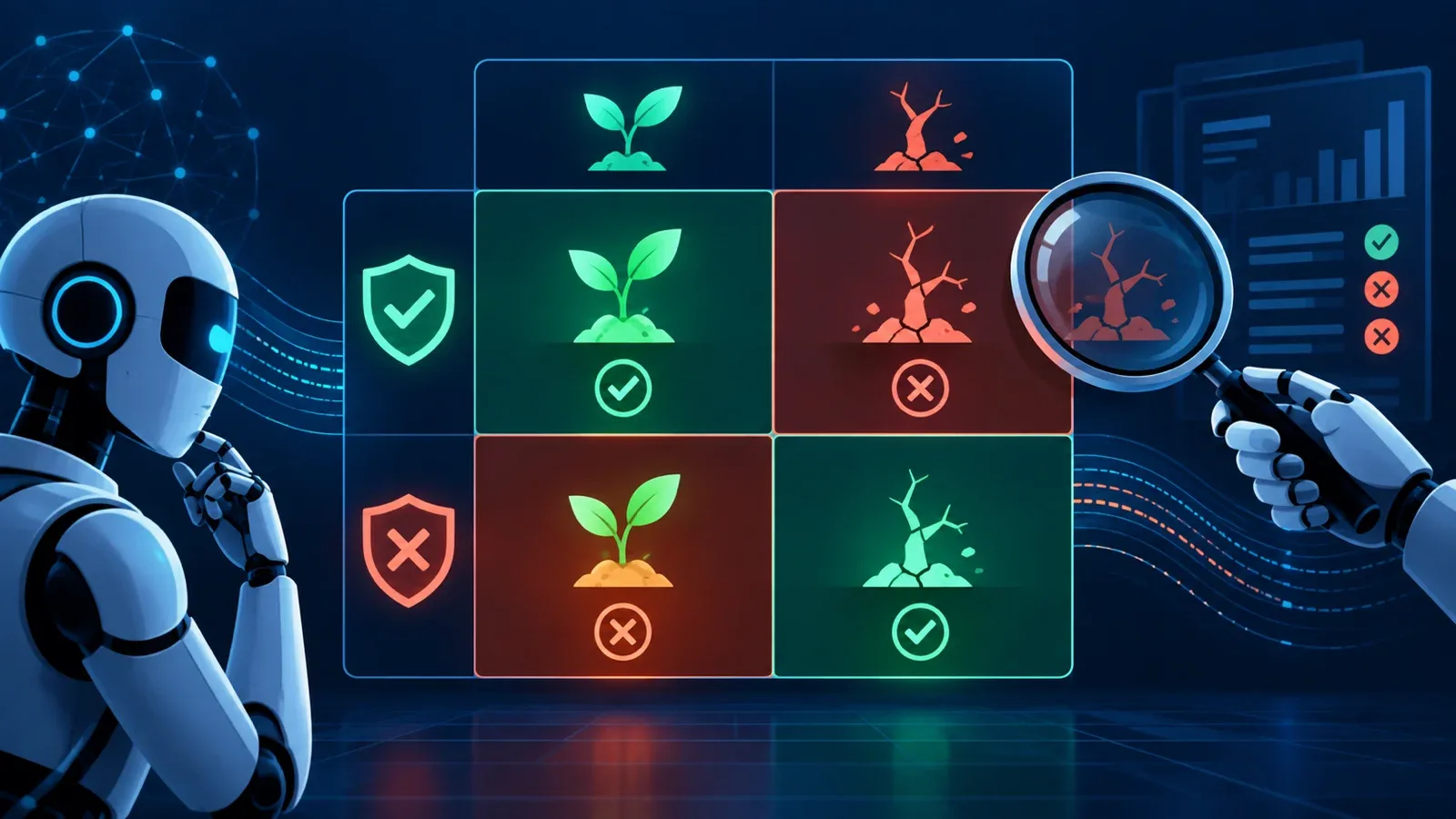
A Green Gate Is Not Enough: Finding False Passes and False Fails
A gate can approve broken output and reject healthy output. Measure false passes and false fails separately before you trust its green light.
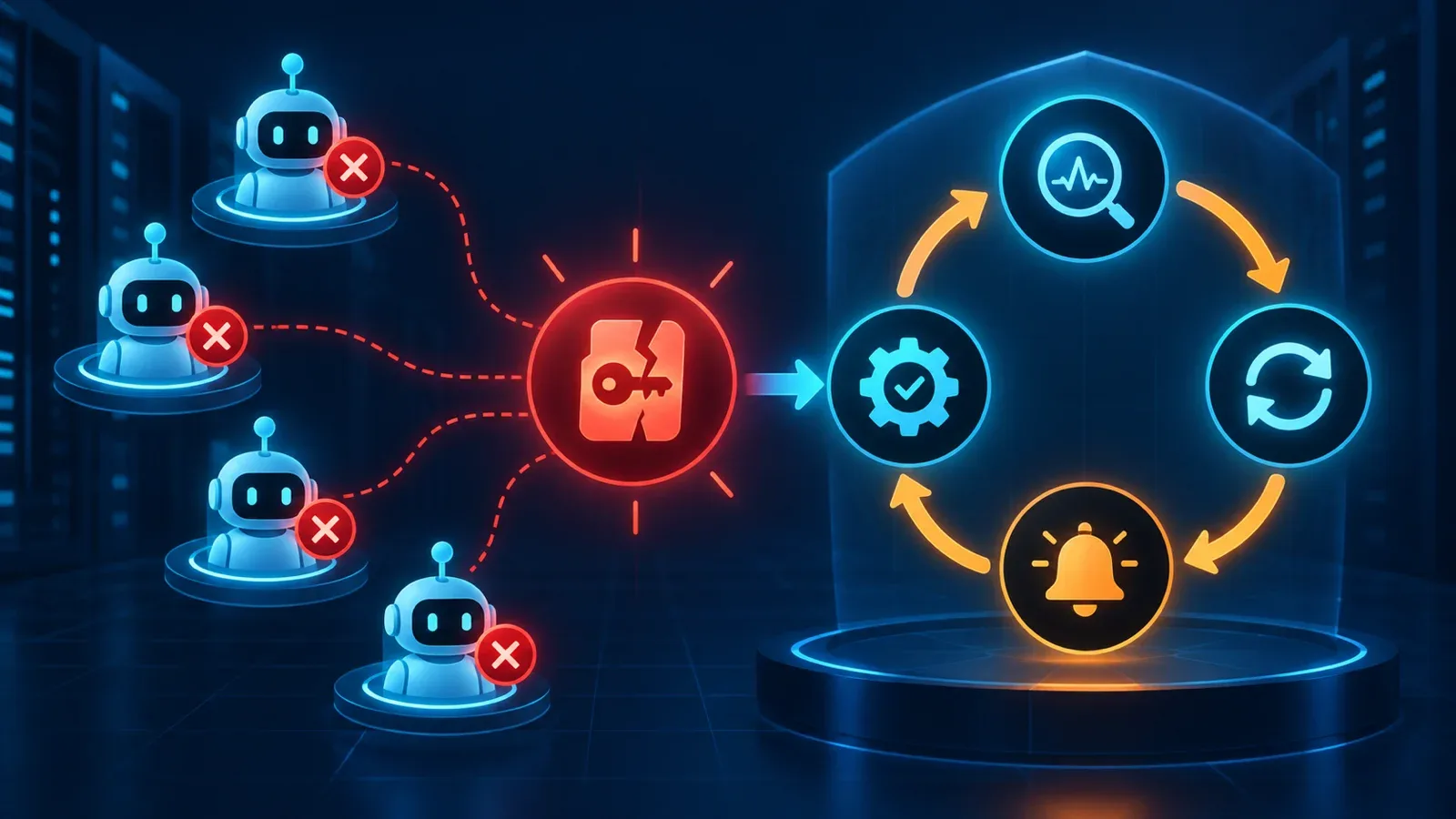
How to Prevent OAuth Expiry from Taking Every AI Agent Offline
When several AI agents share one OAuth connection, one expired token can silently stop an entire workflow. This practical guide builds a monitored recovery loop.